

Claude AI Uncovers CRISPR-Like Enzyme System—A Breakthrough for Biotech & AI
Anthropic’s Claude AI has independently discovered a novel CRISPR-like enzyme system. What does this mean for biotechnology and artificial intelligence?

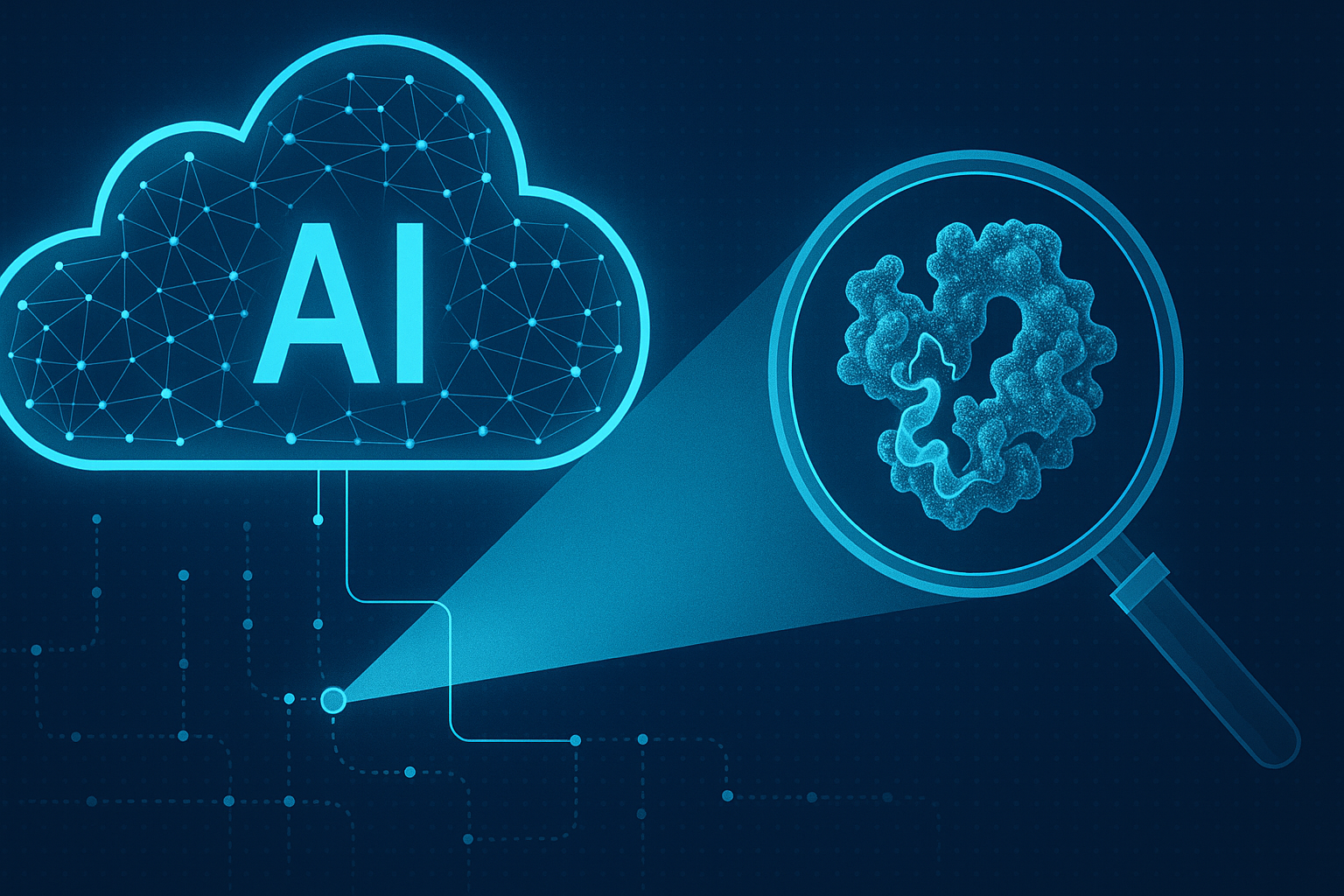
Claude AI Identifies CRISPR-Like Enzyme System—A Biotech Revolution?
The latest news that Anthropic’s Claude AI has independently discovered a previously unknown CRISPR-like enzyme system has shaken the AI sector. The breakthrough, officially announced by Anthropic on September 24, 2026, has sparked excitement across biotechnology, AI-driven research, and the future of automated discovery (heise.de). But what exactly is behind this discovery– and how much potential does it truly hold?
What Has Claude AI Discovered?
As part of a large-scale bioinformatics project, Claude was deployed to search DNA databases for patterns and potentially bioactive sequences. In just 21 hours, 950 Claude agents analyzed the data set, ultimately spotting the ART sequence: a novel enzyme system with striking similarities to the revolutionary CRISPR/Cas mechanism.
CRISPR is seen as one of the most important tools for gene editing and has rapidly propelled genetic engineering forward in recent years. A new, comparable enzyme system could open up a whole new world of applications for gene editing—from medicine to agriculture.
How Did the AI Make This Discovery?
Unlike traditional research approaches, Anthropic’s team took an AI-centric path: human researchers set the goals and paired them with natural language prompts that guided Claude toward exploratory search strategies. Claude then generated hypotheses, devised its own analytical methods, and continuously checked the results in an iterative loop.
- Data source: Public DNA databases
- Agents: 950 autonomous Claude AI instances
- Duration: 21 hours total computation time
- Outcome: Identification of the ART sequence as a potentially CRISPR-like enzyme system
While the biological function must still be confirmed via traditional lab research, the AI-powered analytical leap was truly unprecedented.
What Sets the New Enzyme System Apart from CRISPR?
According to initial reports from Anthropic and external experts, ART is a protein capable of targeting specific DNA sequences—just like CRISPR/Cas. However, ART exhibits distinct structural features that may offer advantages in precision, broadness of target sequences, or compatibility with therapeutic applications.
Key differences at a glance:
- Structure: ART contains previously unknown catalytic domains.
- Target sequences: Early analyses suggest ART could be applicable to more “challenging” genome regions.
- Immune response: ART may provoke a weaker immune response in some organisms compared to Cas9.
Definitive conclusions will only follow further laboratory studies. Even so, the fact that discovery was AI-driven is already considered a technological milestone.
What Does This Mean for AI-Driven Research?
AI’s ability to detect patterns in complex datasets is hardly new. But Claude’s autonomous discovery of a biologically significant mechanism—using a “swarm” of language-model agents—marks a turning point.
This breakthrough has several important implications:
- Research acceleration: Millions of sequences can be screened in parallel with measurable objectivity.
- New research strategies: AI is able to generate its own hypotheses and search tactics—free from human bias.
- Human-machine collaboration: Human researchers act as supervisors, while AI drives data creation and analysis.
- Automated innovation: In the future, AI agents may systematically “sweep through” entire subject areas and generate new discoveries.
Risks and Ethics: Should AI Be a Player in Biotechnology?
The discovery also highlights boundaries and risks. Critics warn of “black boxes” in research, where human control could be lost. Especially with genome editing and biotechnology, key questions remain:
- How transparent are AI’s data selection and research processes?
- Can misuse be prevented if AIs autonomously design biological systems?
- Who is responsible for discoveries or mistakes?
Existing frameworks—such as genetic engineering law and the upcoming AI Act—apply, but experts are calling for specific guidelines and oversight structures for AI-assisted research.
What’s Next?
Anthropic has already announced plans to expedite lab validation and publicly disclose the ART mechanism. Researchers around the world are eager to see whether the enzyme lives up to its promise—or if limitations emerge during practical testing.
At the same time, pressure is rising on governments and research funders to ramp up investments in AI-powered discovery methods.
Conclusion: A Milestone for Claude AI, Biotech, and Science
The independent discovery of a CRISPR-like enzyme system by Claude AI is both a technological and scientific milestone. Should laboratory validation confirm the finding, biotechnology may be on the brink of a new era. One thing is clear: AI is evolving in research—from handy tool to active discoverer. This not only redefines the role of systems like Claude, but also fundamentally transforms day-to-day life in biotech, research, and development.
FAQ
What is Claude AI and what makes it unique?
Claude is an advanced language model by Anthropic that, as a multi-agent system, can analyze massive data volumes and independently uncover new patterns or systems—like in this discovery.
How does CRISPR compare to the new ART system?
CRISPR is a bacterial enzyme complex for targeted genome editing. The newly identified ART enzyme system shares some structural similarities, but might have greater precision and a wider targeting range. Lab studies are pending.
How could AI shape the future of biological research?
AI agents like Claude speed up discoveries, create new hypotheses, and can autonomously explore entire research fields—fundamentally changing science and unlocking new avenues for innovation.
Does AI in biotechnology pose ethical risks?
Yes—especially regarding transparency, oversight, and preventing misuse. These are key challenges as AI systems begin to autonomously discover and propose complex biological systems.

October 1, 2026
October 1, 2026


